You must have suffered from ugliness to behold beauty in its wildest nakedness. Otherwise, it is an illusion. In any case, we never fully reconcile with reality, and art… serves as the bridge between the inner and the outer.
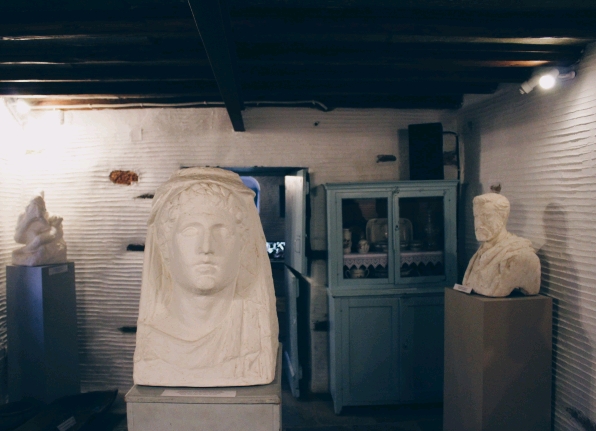
On the occasion of the 80th anniversary of the death of the great Greek sculptor Giannoulis Chalepas and my visit to his homeland, Tinos, I wanted to honor him with the following post and share with you everything I heard and read about this remarkable artist.

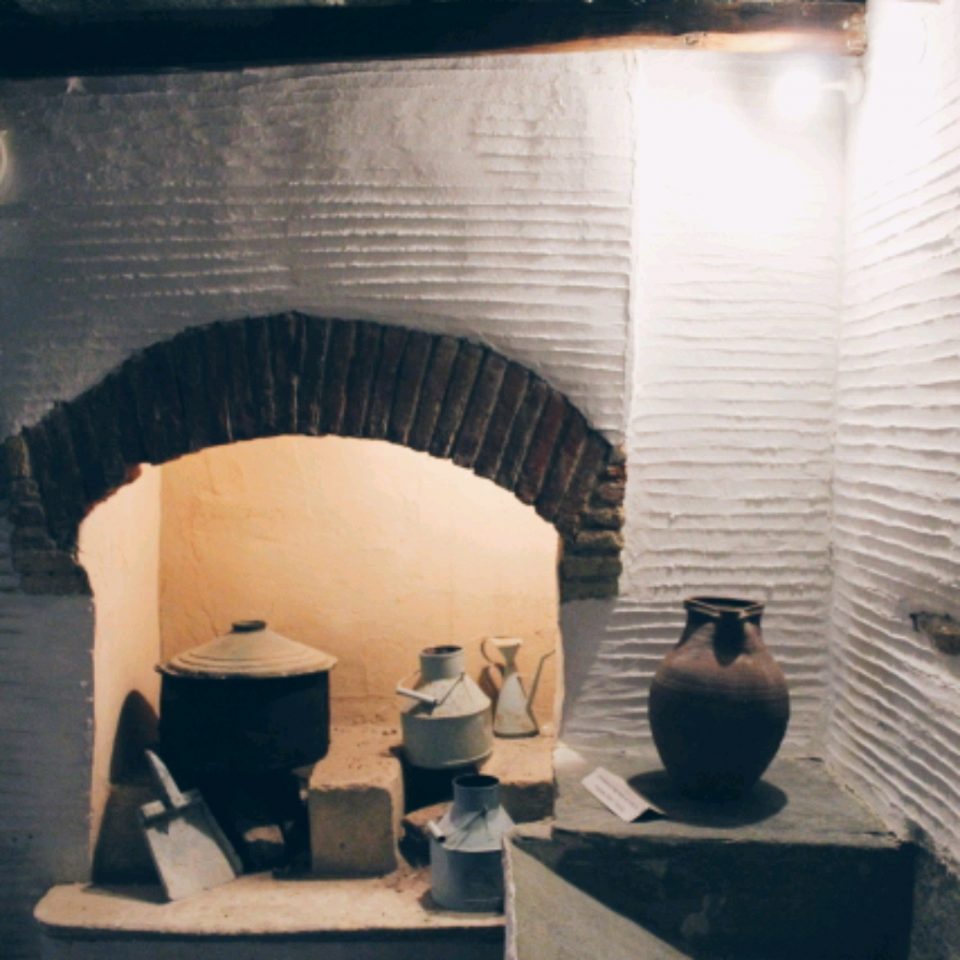
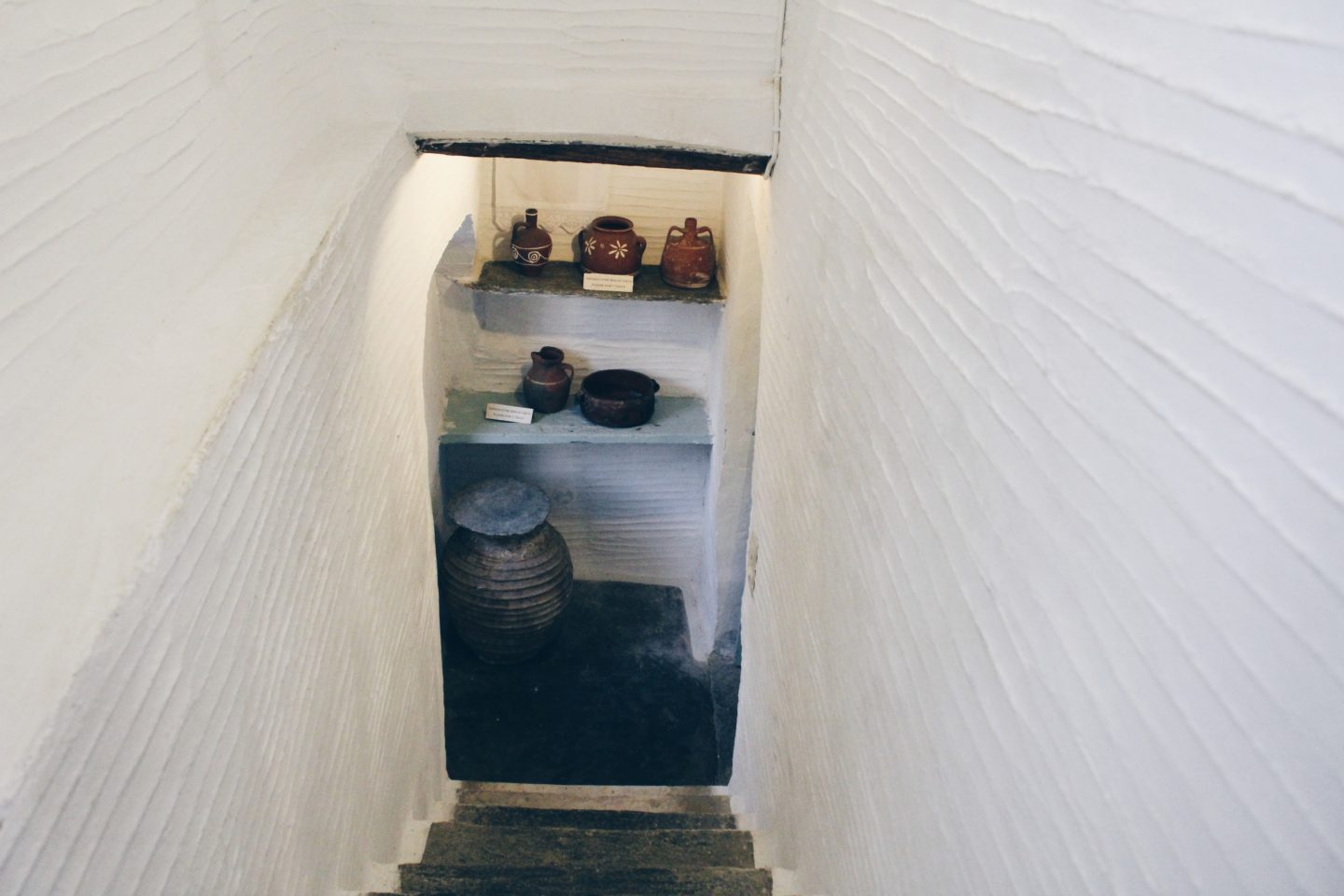
The powerful messages conveyed through his works and life are, at the very least, instructive. At his house-museum, located in the village of Pyrgos in Tinos, I toured the spaces where he grew up, created, and sometimes destroyed his works.

The brief yet captivating narration by the guide about his personal and artistic journey moved and deeply affected me at the same time. This is how I got to know the art of sculpture and the creator Giannoulis Chalepas.
The guide’s words etched themselves into my heart and mind. Giannoulis Chalepas lived a life full of turbulent ups and downs, marked by extraordinary talent, disappointments, artistic achievements, prohibitions, and romantic disappointments. It seems he was constantly balancing between light and darkness.

He was born in Pyrgos, Tinos, on August 14, 1851, and was the eldest son of Ioannis Chalepas, a well-known marble sculptor from Tinos who ran a family business with his brother. His father hoped that Giannoulis would continue the family tradition and take over the business.
However, the young Giannoulis had other dreams that clashed with his father’s plans. Ultimately, he triumphed and enrolled at the Athens School of Arts. In 1873, with a scholarship from the Evangelistria Foundation of Tinos, he studied at the Academy of Fine Arts in Munich, where he earned many distinctions and awards.
His career in Munich was impressive until his scholarship was suddenly revoked, and Giannoulis returned to Athens. There, he opened his own workshop and devoted himself entirely to his art. The recognition he gained abroad brought him great fame in Athens, opening many doors for commissions.
At that time, he was commissioned to create the tomb monument of Sofia Archontaki. This led to the creation of “The Sleeping Girl,” his most famous work, which he began in 1877. Giannoulis Chalepas offered a different perspective on death, not creating a traditional bust as was customary, but a piece measuring 77 x 178 x 76 centimeters. It is impressive how masterfully he sculpted the sheet covering the girl in exquisite detail.
Unfortunately, the result initially did not satisfy the girl’s mother, which disappointed Giannoulis. Also, his father’s words were not encouraging regarding this particular work. This was not the first time he experienced disappointment; there was a similar incident with his aunt in Tinos when he was young, which left a lasting mark on him. He loved his art deeply and sought acceptance and recognition of his talent—something that, however, did not come from his immediate environment.
Another well-known work of his, which he repeated 12 times, is the “Satyr Playing with Eros.” It is said to represent his relationship with his authoritarian father. Giannoulis was again led back to Tinos, where he fell in love with his fellow villager Marigo, but her family did not accept him. A romantic disappointment, yet another blow that negatively affected his mental state. His condition worsened, and his father confined him to the psychiatric hospital in Corfu, where doctors diagnosed him with dementia. He would remain there for a full 14 years.
After his father’s death, his mother brought him back to the island but forbade him from creating and engaging in sculpture, believing that his art was responsible for his condition. Giannoulis, then 50 years old, destroyed whatever he created. He experienced contempt and marginalization from his fellow villagers, who mocked him as “the village madman.”
In 1916, his mother died. He did not shed a single tear at her funeral; on the contrary, he told his family, “Stop crying now, I will take up art again and work.” Giannoulis was 65 years old.
After so many years of artistic inactivity, he began again what he loved most—sculpture. Giannoulis was reborn. He could now express himself freely, marking the start of the second period of his work. Chalepas returned to the spotlight and found acceptance. Well-known works from this period include “The Great Reclining Woman.”
In 1930, encouraged by his niece, Eirini Chalepas, he came to Athens, where he was welcomed with great honors. The third period of his work began. Giannoulis Chalepas experienced artistic recognition during his lifetime. Essentially, he created most of the works he left behind—115 surviving pieces—from the age of 65 until his death at 84. What might he have created if he hadn’t lost 40 productive years?
Two years before his death, his right hand became paralyzed due to hemiplegia. This did not stop him from continuing to do what he loved. Such was his passion, and such was the love and strength of his spirit for his art.
He passed away on September 15, 1938.